Long before the poke bowl became the darling of fast-casual counters and Instagram feeds, it was something far simpler: a fisherman's meal. On the shores of Hawaii, centuries ago, fishermen would slice their fresh catch into rough chunks, season it with sea salt, limu seaweed, and crushed kukui nuts, and eat it right there by the water. No bowl, no toppings, no presentation — just raw fish and the ocean breeze.
Hawaiian roots: a fisherman's tradition
The word “poke” means “to cut into pieces” in Hawaiian. It originally referred not to a specific recipe but to the act of slicing raw fish — most often aku (yellowfin tuna) — into irregular cubes. The seasoning was minimal: Hawaiian sea salt harvested from volcanic rocks, limu (a local seaweed with intense oceanic flavour), and kukui nut for crunch. This was everyday sustenance, deeply embedded in the Hawaiian culinary tradition long before European contact.
The Japanese influence
In the 19th century, waves of Japanese immigration to Hawaii transformed the dish forever. Workers brought soy sauce, sesame oil, and refined fish-cutting techniques. The marriage of Hawaiian simplicity with Japanese precision gave birth to the modern poke — cubes of fish marinated in soy and sesame, served over rice, with scallions and wasabi on the side. Two traditions of raw fish met and merged without either losing its identity.
The American explosion
For decades, poke remained a Hawaiian secret, sold by the pound at supermarket fish counters in Honolulu. That changed in the early 2010s when Los Angeles entrepreneurs opened the first dedicated poke bowl shops. The “build your own bowl” format — fresh, healthy, customisable, photogenic — was perfectly suited to the age of Instagram and conscious eating. Within a few years, poke bowl shops spread to every major American city.
A global phenomenon
From 2015 onward, the poke bowl crossed borders. London, Berlin, Sydney, Tokyo, Dubai — fast-casual poke restaurants opened everywhere. Michelin-starred chefs reinterpreted the bowl with bluefin tuna and black truffle. Vegetarian versions appeared with marinated beetroot and smoked tofu. The poke bowl proved itself not as a rigid recipe but as a culinary grammar, endlessly adaptable to local ingredients and tastes.
Poke bowl in France
France embraced the poke bowl around 2016-2017 with remarkably little resistance. The French were already familiar with raw fish through sushi and tartare. Local chefs adapted the concept: brown rice or quinoa replaced white rice, extra-virgin olive oil stood alongside soy sauce, seasonal produce from local markets enriched the toppings. The poke bowl found a natural home within the growing movement toward healthy and responsible dining. Its nutritional benefits — quality protein, omega-3 fatty acids, fibre and vitamins — resonated with an increasingly health-conscious public.
The Provencal touch at Le Petit Palais
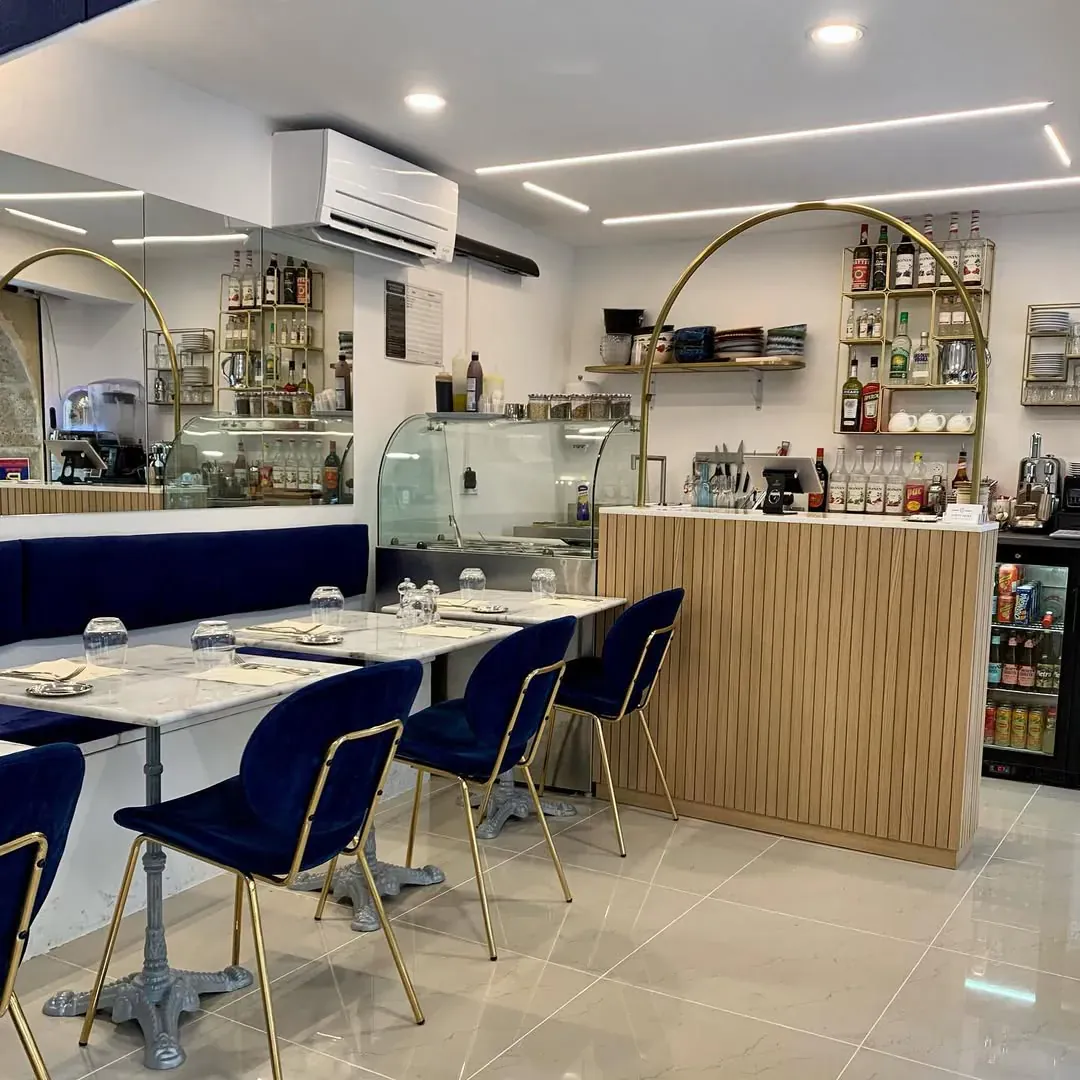
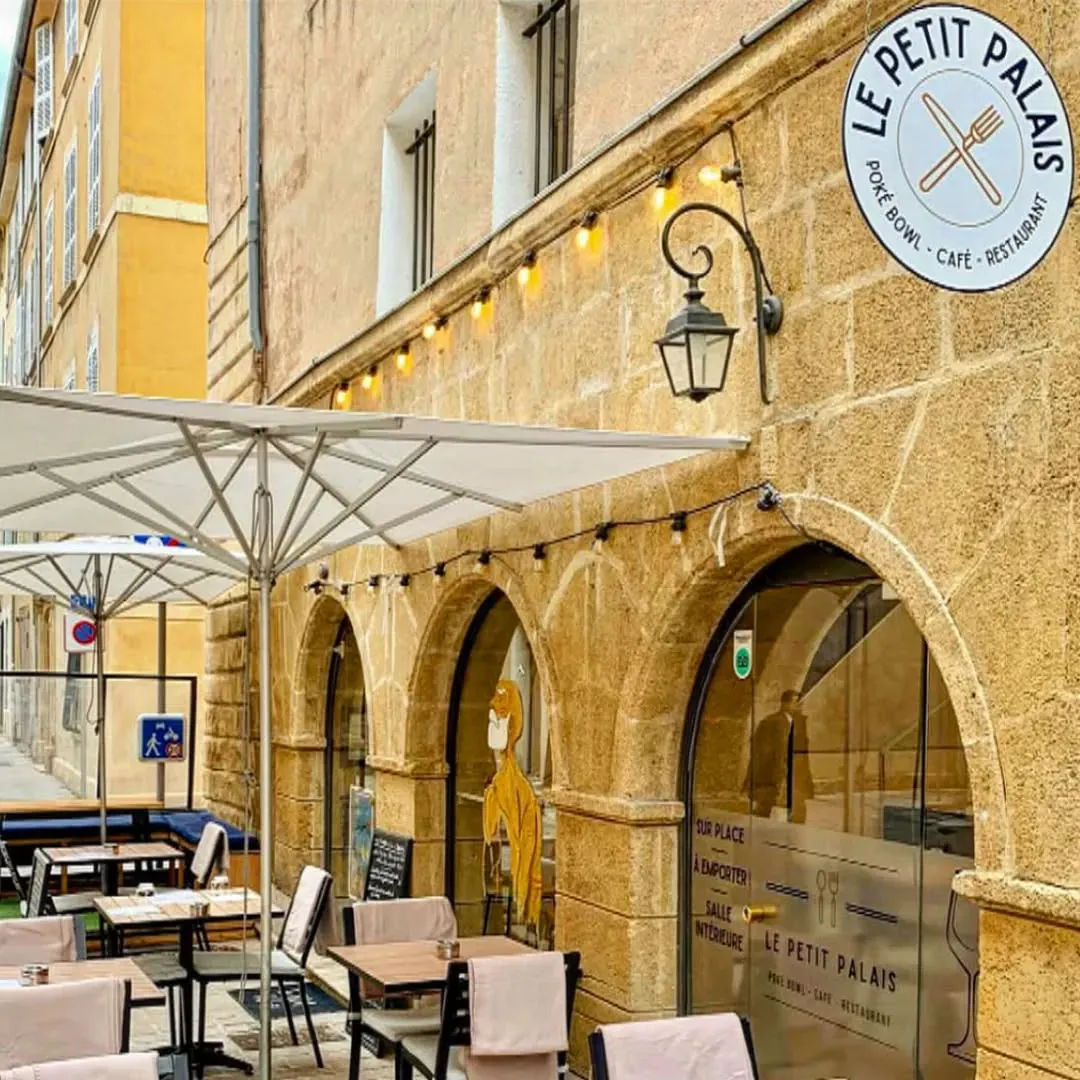
In Aix-en-Provence, where Mediterranean light gives every ingredient vivid colour, the poke bowl has found particularly fertile ground. At Le Petit Palais, located at 4 Rue Manuel in the historic Mazarin quarter, we honour the Hawaiian heritage while embracing Provencal identity. Our bowls feature impeccably fresh fish, seasonal vegetables from local markets, and seasonings that evoke both the Pacific and the Mediterranean. To learn more about us, read our story.
Browse our menu to discover the full range of our creations, or try making one at home with our salmon avocado poke bowl recipe. Explore all of our poke bowls in Aix-en-Provence and embark on a taste journey from the waters of the Pacific to the sun of Provence.
Why the poke bowl is here to stay
Sceptics predicted the poke bowl would be a passing fad. A decade after its American explosion, they have been proven wrong. Its ancestral roots give it a legitimacy that marketing-driven food trends lack. Its flexibility — gluten-free, vegan, keto-friendly, seasonal — makes it nearly universal. And above all, it answers a deep contemporary desire: to eat well without sacrificing pleasure. From ancient Hawaiian fishermen to the counters of the Mazarin quarter, the poke bowl has crossed centuries and oceans without losing its essence: the celebration of fresh fish, simplicity, and sharing.